Going into NXT New Year’s Evil, Trick Williams was scheduled to challenge Ilja Dragunov for the NXT Championship. Early in the show, it was announced that due to Dragunov’s ‘neck injury’ that he suffered at the hands of Ridge Holland, he would not be able to compete.
There was a locker room segment with Williams and Carmelo Hayes discussing the scrapped title match. As they were doing so, Grayson Waller walked into frame and after some back and forth between both parties, Carmelo offered up Williams’ title opportunity if Waller could beat Trick in a singles match.
Williams was not pleased with Hayes putting his title shot at risk, but in the main event, he went one-on-one with Waller. While Williams was looking to finish the match, Hayes ran to the ring and jumped on the apron.
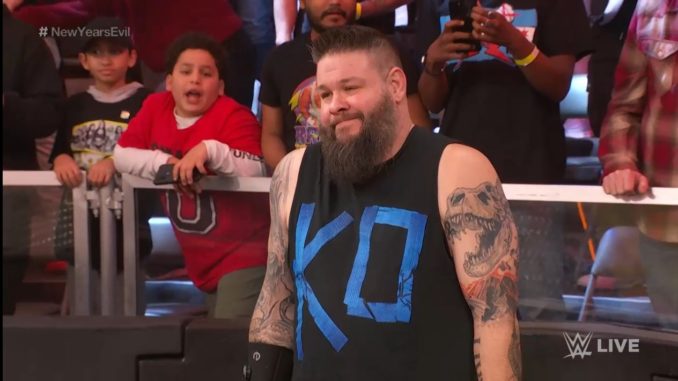
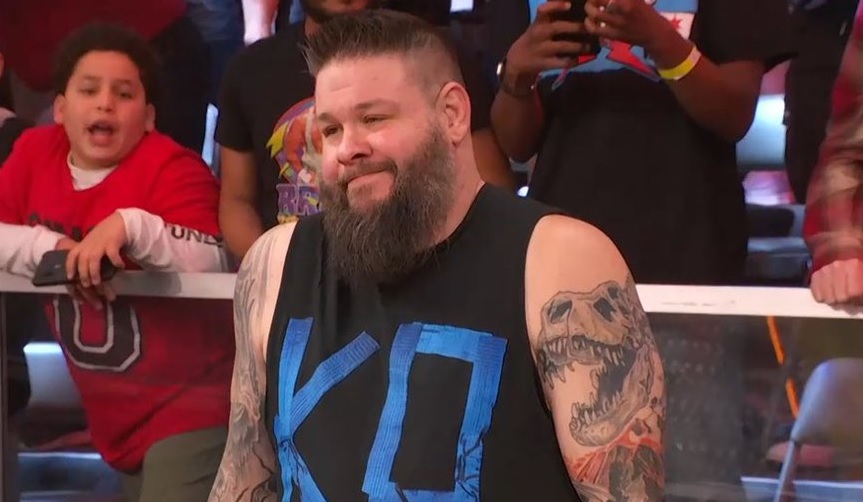
This gave Waller time to regain his wits but while he was on the outside of the ring, waiting on him was Kevin Owens. Owens has been feuding with Austin Theory and Waller on SmackDown. He went after Waller and tossed him back into the ring and Williams ended up scoring the win.
Article From & Read More ( Trick Williams receives assist from Kevin Owens at New Year's Evil to hold onto NXT Title shot - POST Wrestling )
https://ift.tt/XWOaGf1
“The Prize Fighter” turned up at the first WWE NXT show of the New Year of 2024 on Tuesday night.
During this week’s special annual “New Year’s Evil” episode of WWE NXT on the USA Network, Shawn Michaels teased that a former NXT World Champion would be appearing on the program.
In the main event, which saw Grayson Waller challenge Trick Williams for his guaranteed future NXT World Championship opportunity due to Ilja Dragunov being medically uncleared to compete tonight, Kevin Owens made an appearance.
Near the end of the match, Carmelo Hayes, who was asked by Trick to stay backstage during the match, ran down to the ring for seemingly no reason as Trick had Waller dead to rights and ready to be pinned.
Just as it looked that Hayes’ unnecessary distraction to Trick was going to cost him the match and his future NXT World Championship opportunity, Waller recovered only to be knocked out by Kevin Owens at ringside. This allowed Trick to get the win and keep his future title shot against Dragunov in-tact.
Article From & Read More ( Kevin Owens Appears At NXT New Year’s Evil, Helps Trick Williams Retain Future Title Shot - Wrestling Headlines )
https://ift.tt/xBfIecw
2023 ended with the Falcons giving us much of what they’ve provided all season: maddening frustration. The defense apparently didn’t make the flight, quarterbacks Taylor Heinicke and Desmond Ridder combined for four interceptions, and traditionally automatic Younghoo Koo missed a pair of field goals.
The Falcons are still somehow alive in the NFC South due to Tampa falling to New Orleans, but it’s blindingly clear that this is nowhere near a playoff team.
Read on for Hat tips & head-scratchers from Sunday’s loss to Chicago.
Hat tips
Tyler Allgeier’s housecall
Running back Tyler Allgeier has expectedly seen his volume dwindle with the drafting of Bijan Robinson, but on Sunday he reminded us of the types of plays that he’s capable of.
Allgeier took a screen pass from quarterback Taylor Heinicke at the start of the second quarter and followed some excellent downfield blockers en route to a 75-yard score. With the Falcons already down 14-0 and playing in unfriendly elements, it was the splash play they needed to keep from getting buried early.
Heinicke makes it happen with his legs
Questionable during the week with an ankle injury, quarterback Taylor Heinicke did his best work in the game with his legs. With Atlanta desperately needing to claw back points in the third quarter, Heinicke scrambled on third down and found clearance ahead. The 24-yard touchdown moved the Falcons into striking distance, 27-17 after the extra point.
The quarterback play has been pretty putrid through 2023, but Heinicke gets a tip of the hat for his long rushing touchdown.
Head-scratchers
A defensive collapse
In a year where the Atlanta defense has consistently kept them in position to win games, they completely melted against Justin Fields and the Chicago Bears. Fields was absolutely dealing despite the snow, throwing for 268 yards and a passing touchdown. He added 45 rushing yards and a score on the ground, as well.
The Falcons’ defense surrendered 37 points to Chicago, its most of the season. Nothing particularly worked against Justin Fields and the Bears, but it was alarming to watch the Atlanta defensive line get bullied in the trenches the entire day.
Koo misses two
When Younghoe Koo lines up for a field goal, I typically head to the kitchen to grab another drink. I’m confident that ball is going through the uprights, so I don’t need visual confirmation. Koo was anything but automatic in sketchy weather in Chicago, missing his first two field goal attempts which left Atlanta in an early 14-0 hole.
Koo’s been responsible for most of the Falcons’ scoring offense this season, but it’s jarring to see him miss a pair of field goals.
This was a barren year for learning, as we ease into the time in life when many forms of learning are more of an imposition than a goal. There are so many new developments in all forms of our culture, and almost all of them have the shelf life of a mango on a space heater, thus the first question that arises when something new appears on the horizon is, "When will this transition into useless knowledge and be left by the side of the cranial road?"
But the attempt is what's important, if only to get people asking "What did you learn this year?" to shut up about what they learned this year, which is what they really want to share. And so this year's attempt was colors.
Not colors per se; those are relatively easy to suss out for most of us. No, it's what color clothes pair well with other clothing. The bride/superior partner is gifted here, or says so anyway. Your typist, on the other hand is not, largely because he believes fashion is just a different way of saying fascism. Fashion decisions are often made by self-appointed tastemakers who weren't elected to office or had to memorize objective standards of what goes with what other things. Instead, these are people who make shit up and then six months later, when there's too much mauve on the shelves, alter the rules of what colors meld well to change the inventory dynamic. They are all detestable and should be dressed magnificently and with great panache when they are dropped into a lava pit.
OK, but that's not learning. What is learning is the art of surrender through ennui. When it's going-out-big-kids dress-up time, She Who Must Be Obeyed (h/t Kilmeny Of The Orchard through Rumpole Of The Bailey) says, "What if I lay out your clothes for you," which used to be greeted with a silent but pointed gesture of passive-aggressive refusal. Now, though, the preferred path is indifference as demonstrated with a muttered "Sure," which is never meant but always adhered to because the original offer wasn't an offer at all but a statement of intent, as in "This is what you're going to wear if you don't want a snide argument in which I will prevail." What's been learned is that there are arguments worth having and arguments worth punting, and this is definitely one of the latter because it's one without a prize for winning. It's taken just over three decades for this skill to be acknowledged and practiced, but there it is. Your author can be trained in the fine art of DGAF; he just needed to learn one other thing.
Have the fight ahead of time in your own head, win decisively and decide the war has already been won before it has actually been engaged. It's make-believe, but the pain of reality only lasts until you leave the house, while fantasy triumphs can last forever.
Cutting back on alcohol is a common New Year's resolution -- and studies show that about 25% of people who commit to giving up drinking each year are successful in the long term. When it comes to how you can find yourself in that 25%, it's important to understand why you're drinking in the first place, to surround yourself with people who will help you quit and to celebrate your wins along the way. Here are some tips to help you stop drinking.
How to make a plan to stop drinking that works for you
There's no one right way to go about quitting drinking -- it's all about figuring out what works for you and your lifestyle; that starts with a plan. Here are a few things you should consider and actionable steps you can take.
Examine your current relationship with alcohol
The first thing you have to do is take a step back and evaluate your habits. That means looking at your relationship with alcohol so you can understand why you drink, when you drink and how much you drink.
Become aware of how much you drink: When drinking is part of your everyday routine, you start to forget just how much you're actually consuming. It's essential to examine exactly how much alcohol you're drinking. Look at each drink as you put it in front of you and tally up how many you're consuming a day.
Identify the reasons you drink: Do you drink because you're bored? Do you drink with friends and family? Do you drink because you're sad? Do you drink because you simply like the taste? All of these are common reasons to consume alcohol, and your next step in this process is to understand why you're drinking when you do. Start a journal to keep track of what you're drinking and why and see if there are patterns. This will also help you find new ways to satisfy a craving when it comes up. If you find that you're commonly reaching for a glass of wine when you're feeling down, you'll know what to do next time those feelings creep up.
Think about why you want to quit drinking: Having a goal in mind will help jump-start your journey. Why do you want to quit drinking? If your reason is simply that you want to do it, that's fine! Just make sure you know why you want to cut back so that you can keep that in mind as you go through this process. It's never easy to quit something, but knowing why you're doing it will help keep you on track.
Learn how alcohol affects your body
Alcohol can wreak havoc on your body. According to the NIAAA, alcohol pretty much affects you head to toe. Alcohol can make it hard to think clearly, cause strokes or high blood pressure, lead to cirrhosis and weaken your immune system. It may also mess with your sleep, and poor sleep hygiene can lead to further health concerns, like obesity and diabetes. Knowing all the negative effects alcohol has on your physical and mental health can make it easier to understand why you're better off without it.
Set a goal
Goals can help you stay on track, but sometimes one big goal feels too out of reach. Consider setting smaller goals for yourself -- and celebrate them as you go. Rather than one overarching "I want to quit drinking" goal, start by telling yourself you're going to cut back. Maybe you only drink on weekends for now. Maybe you do a dry January to really jump-start the plan. American Addiction Centers recommend no more than one drink a day for women and two drinks a day for men, so keep that in mind as you're setting a goal to cut back.
Create a support system
It's so much harder to go at this alone, so loop in the people you trust. Everyone needs a cheerleader in their corner rooting for them.
Let your friends and family know your goals: Once you have a plan in place for your goal, tell your close friends and family -- as long as they're the kind of people who will be supportive. Tell them why you've decided to cut back on drinking and let them know how they can help you. If you want them to hold you accountable, let them know that and decide how they can best help you. You might even be able to convince some of your people to go on this journey with you, which can make it more bearable.
Create your community: Seeking out like-minded people can also help you succeed. There are plenty of online communities of people who have quit drinking who will welcome you and help you stay on track. You can also find a local Alcoholics Anonymous group for support if you have one nearby. Now is your chance to spend time with friends who aren't drinkers and won't tempt you -- you might even find new friends or rekindle old friendships now that your priorities have changed.
Seek professional help: Talking to a medical professional, whether it's your doctor or a therapist, can also be extremely beneficial. They will always be supportive of you finding a healthier lifestyle and can provide you with resources, support and any encouragement you need. Don't be afraid to approach them with the topic, as they are ready and willing to help you succeed.
Hinterhaus Productions/Getty Images
Have a plan for when you go out
It can be tricky to handle social situations as you cut back on drinking, especially if you're around other people who are drinking or who are used to you drinking. As with any part of this process, go in with a plan. If you'll be out with close friends or family you're comfortable with, let them know ahead of time that you're not drinking. If you're going out to a function that doesn't give you an opportunity to say something ahead of time and you don't want to call attention to yourself, you can head straight to the bar or to a server and order yourself a nonalcoholic drink. It's easier to blend in with a glass in your hand, even if it's just a Coke. If you find yourself in a situation where someone offers you a drink, just politely decline. Most of the time, people will back off, and if they don't, stand firm and say you're not drinking tonight. You don't owe anyone your reasoning behind why you're refraining.
Out of sight, out of mind
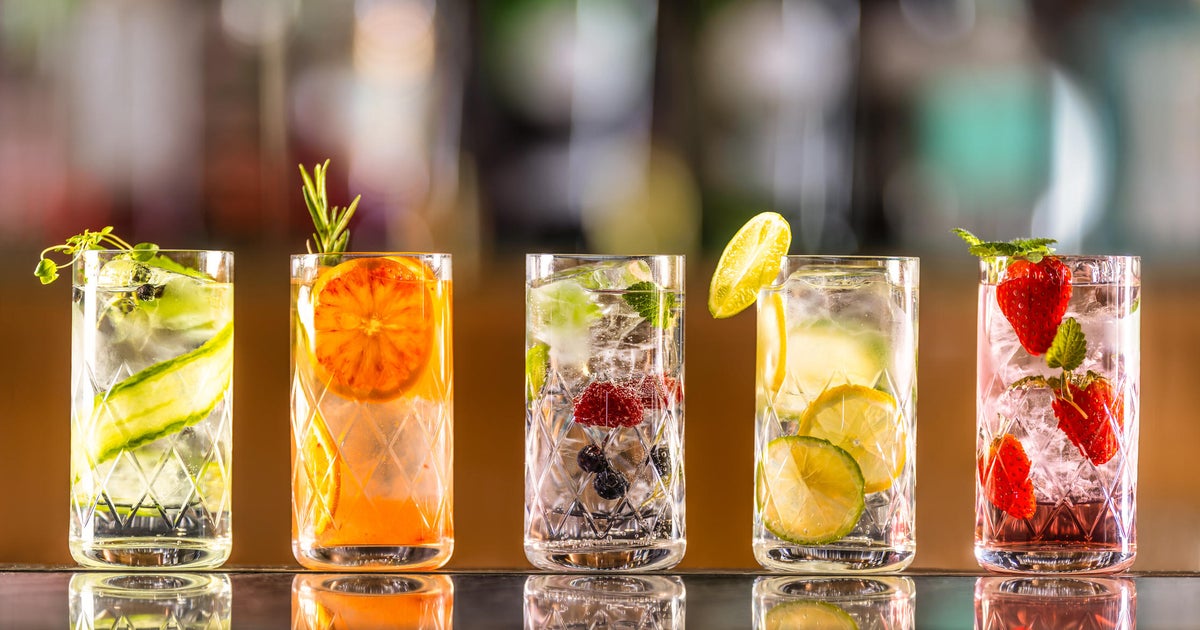
If you're really committed to cutting back, one of the best things you can do is get the booze out of your house. If it's not within reach, you'll be less tempted to drink. This is also a good opportunity to find alternatives to some of your favorite drinks. You could try a bit of mixology and create mocktails to drink at home so you still feel like you're having something fancy, or you could find an alternative drink that satisfies you, whether it's soda, iced tea or something similar. Be prepared to have these things on hand for when a craving strikes so you can nip it in the bud.
Plan for the side effects of quitting alcohol
Depending on what your alcohol habit was like, you may experience fewer or more withdrawal symptoms as you cut back. Symptoms include things like headaches, anxiety, tremors or shakes, insomnia, fatigue, mood changes, gastrointestinal disturbances, heart palpitations, increased blood pressure or heart rate, hyperthermia, rapid abnormal breathing, hallucinations and seizures. Fortunately, these withdrawal symptoms shouldn't last very long -- about a week -- but listen to your body in case something feels abnormal during this time. Try to stay focused on your end goal, and call your doctor if something doesn't feel right.
Celebrate your wins
Give yourself credit where credit is due as you start to hit your alcohol-free milestones. Celebration helps keep you motivated, so make sure you're rewarding yourself for goals achieved. Consider setting up a reward chart with things you really want -- maybe it's a dinner out at a new restaurant or a pair of shoes you've been eyeing. Set targets for each reward and enjoy them when you get there. You could even go all-out and reward yourself with something big with a major milestone like a year alcohol-free -- a vacation sounds lovely, for example.
"This year, it's actually becoming even more popular for people to engage in (Dry January) — people are thinking about taking a break from drinking either before or after the holidays," says Dr. Aimee Chiligiris, a clinical psychologist at NewYork-Presbyterian/Columbia University Irving Medical Center. "In the past, this might have caused anxiety, but it's much more socially acceptable, and people are more aware of this movement, planning for it and discussing it in their social circles."
Chiligiris says this is especially true among younger populations like Gen Z who have a better understanding of the negative health impacts of alcohol.
A Gallup poll from earlier this year found 39% of Americans view moderate drinking as unhealthy, an 11-percentage-point increase since 2018. Surveys also indicate today's teens and young adults are drinking less than in previous generations, which Chiligiris views as the result of an overall focus shift on health and well-being following the height of the COVID pandemic.
"Young people started finding new ways to focus on physical and mental health... and this has included shifts in alcohol consumption," she says. "Alcohol is seen as less of a necessity during social outings. There's less social expectations to drink in social settings."
But no matter your age, abstaining from alcohol or having a reset from drinking can be beneficial.
"Any commitment to bettering yourself and focusing on your well being is a really notable one and should be celebrated," Chiligiris adds.
To help you better prepare for a drink-free January, here is a look at what to expect and some helpful terms to know:
Benefits of not drinking alcohol
Experts say you can expect multiple positive effects when you stop drinking, across both physical and mental health.
"We can absolutely see benefits from shifting our relationship with alcohol or not using alcohol for a month," Chiligiris says.
One one of the biggest reported benefits, she says, is improved sleep: "The quality of sleep, feeling much more restored upon awakening, being able to go into a deeper sleep."
She notes that other beneficial effects, including lower cholesterol and reduced blood pressure, are also possible.
"Certainly, a reduction of drinking, even if for a short period of time, can improve overall bodily function, especially in regards to liver function. Some people see positive positive effects in regards to weight loss," she adds.
Cutting out binge drinking can reduce the risk of both short- and long-term health problems. "These problems include hangovers, injuries, overdoses, alcohol use disorder, heart and liver disease and cancer," the CDC's website states. "Almost 40% of all deaths related to alcohol use are due to binge drinking."
In terms of mental health benefits, Chiligiris says, steering away from alcohol can "positively impact mood."
There are also secondary benefits, like finding creative ways to practice self-care and engage with others.
"Taking a break from alcohol or substances in general and really resetting to focus on yourself can give you a blank slate of, 'What am I going to do to be social? To take care of my body today?' It can really give yourself the space to think about different coping skills and also to get to get to know yourself in your emotions," she says.
"Mocktails" and other alcohol-free options
Alcohol-free cocktails, or "mocktails," are increasingly popular on drink menus across the country. There are even completely booze-free bars and pop-ups offering a nightlife experience without the risk of hangovers.
When looking to order a drink during Dry January (or any time of year), you can also ask for alcohol-free beers, wines and other spirits. There is a growing market of artisanal makers as well as big brands like Budweiser and Heineken selling nonalcoholic options.
Sober curious, gray-area drinkers and more terms to know
If you're stepping into Dry January for the first time, there are some terms relating to alcohol use that may be helpful to know:
Sober curious: While "sober" is used for people who completely abstain from substances, being "sober curious" means someone is exploring or interested in exploring life without their influence.
"(The) sober curious movement (has) become more common in culture amongst Gen Zers and young adults and even some millennials, where people are more curious about what it's like to not have alcohol or other substances in their life," Chiligiris says.
Gray-area drinkers: Gray-area drinkers fall into a category of alcohol use where they're "drinking more than they'd probably like, but not so much that it's causing external consequences yet," Dr. Aakash Shah, chief of Jersey Shore University Medical Center's Addiction Medical Center, previously told CBS News.
"I think the term falls into this gray area because it doesn't yet meet the medical definitions of alcoholism. But I think that risk is there," Shah said.
As people try out a challenge like Dry January, they may discover they have a more problematic relationships with alcohol than they realized, which can make language to describe where they might fall helpful.
Alcohol use disorder: Abbreviated as AUD, alcohol use disorder is characterized by an "impaired ability to stop or control alcohol use despite adverse social, occupational, or health consequences," according to the National Institute on Alcohol Abuse and Alcoholism.
AUD falls on a spectrum of mild, moderate or severe, and encompasses conditions often referred to as alcohol abuse, alcohol dependence or alcoholism. It can involve a range of symptoms, including drinking more than you intended to; spending a lot of time drinking or being sick from drinking; finding that drinking is interfering with your work or family life; or physical withdrawal symptoms when the effects of alcohol wear off.
Dry January alcohol withdrawal
If you're someone who has a problematic relationship with alcohol, Dry January might prove challenging and may be best done with professional support.
"If it's hard to reduce or it's hard to stop altogether, that might be a really good sign that it would be helpful to seek out help from a licensed mental health person that specializes in the area of substance use," Chiligiris says, adding there are risks to keep in mind, such as alcohol withdrawal.
"There are risks associated with stopping drinking, specifically if you have engaged in drinking on a daily basis or you regularly engage in binge episodes of drinking," Chiligiris warns. "So if you're in that higher-risk drinking or there's daily drinking... I would certainly recommend consulting with a licensed medical professional medical doctor, just to make sure you're doing it in a safe way."
Sara Moniuszko is a health and lifestyle reporter at CBSNews.com. Previously, she wrote for USA Today, where she was selected to help launch the newspaper's wellness vertical. She now covers breaking and trending news for CBS News' HealthWatch.
Article From & Read More ( Dry January tips, health benefits and terms to know — whether you're a gray-area drinker or just sober curious - CBS News )
https://ift.tt/HWaLM6R
The Utah Jazz (14-19) hope to continue a three-game home winning streak when hosting the Dallas Mavericks (19-14) on Monday, January 1, 2024 at 9:00 PM ET.
The Mavericks head into their game as a 3.5-point favorite against the Jazz. The matchup’s point total is set at 245.5.
The 119.2 points per game the Mavericks record are just 0.4 more points than the Jazz give up (118.8).
Dallas is 14-4 against the spread and 16-2 overall when scoring more than 118.8 points.
When it scores more than 117.8 points, Utah is 11-2 against the spread and 9-4 overall.
Dallas’ record is 7-3 against the spread and 7-3 overall when it gives up fewer than 113.4 points.
The Mavericks are the NBA’s seventh-ranked scoring team (119.2 PPG), while the Jazz rank 23rd in points per game allowed (118.8) in the league.
The 19th-ranked scoring NBA team (113.4 PPG) is Utah, while the Dallas squad ranks 22nd in the league defensively (117.8 PPG).
The Mavericks have totaled 46 more points than their opponents this season (1.4 per game on average), while the Jazz have been out-scored by 178 total points (5.4 per game average differential).
The average implied total for Dallas this season is 119.5 points, 5.5 fewer points than its implied total of 125 points in Monday’s game.
This season, Dallas has outscored its implied point total for this matchup (125) 14 times.
The 118.1-point average implied total on the year for Utah is 2.9 fewer points than the team’s 121-point implied total in this matchup.
Article From & Read More ( Dallas Mavericks vs. Utah Jazz odds, tips and betting trends | 1/1/2024 - USA TODAY Sportsbook Wire )
https://ift.tt/UwQpWSR