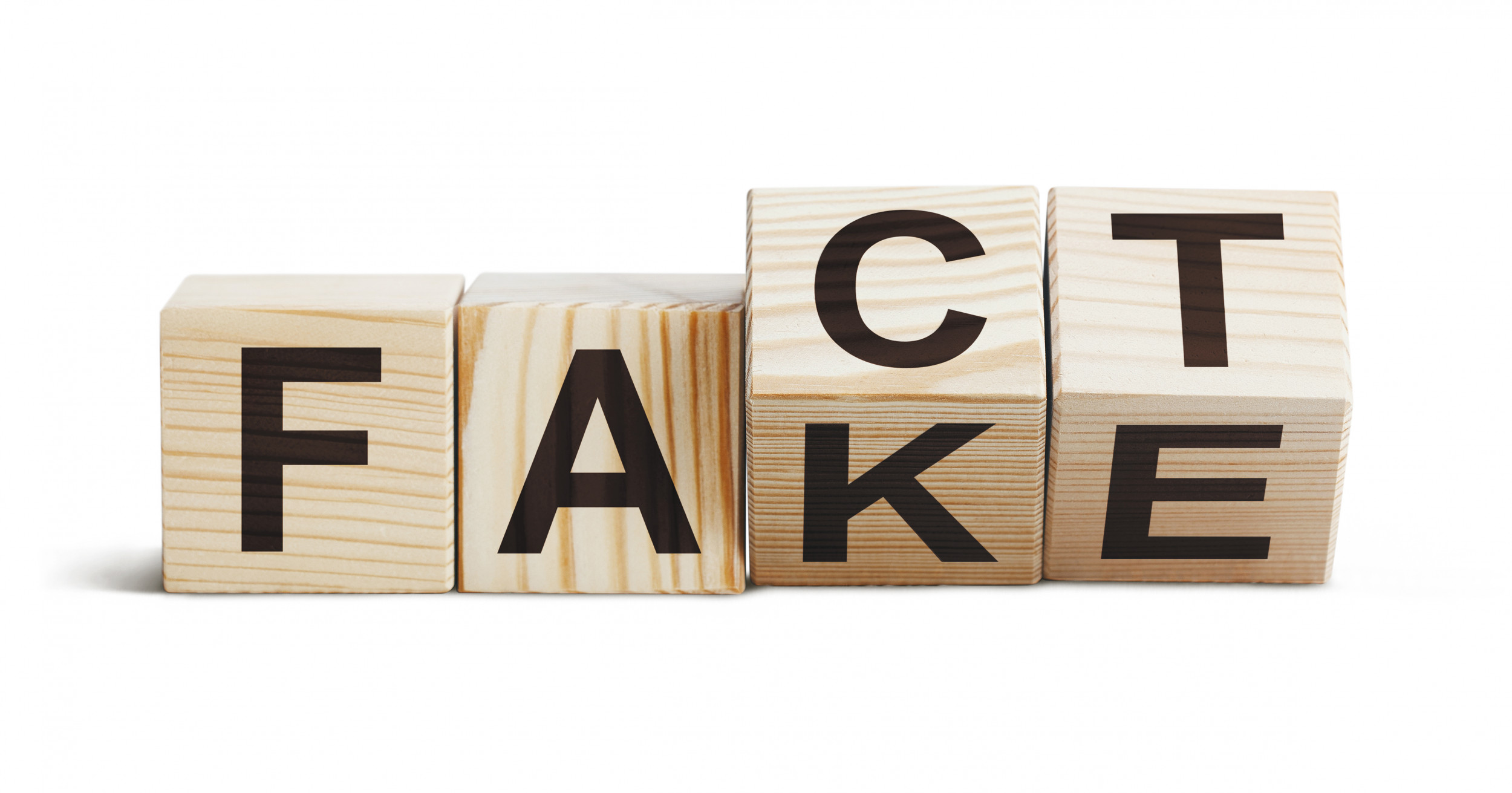
A TikTok user has taken misinformation on TikTok head-on with a viral video showing just how easy it is to be duped on the app.
"Why going vegan actually kills more animals," begins TikTok user @sandeshbharthur, with enough confidence to have you convinced already.
"As we know, farmers cultivate the meat, and then sell it to companies who then sell it to consumers, and according to the Bureau of International Trade of Culinary Harvest, this price that farmers sell it for is actually regulated by the companies that buy it," claims Bharthur.
"So the Central United Meats Department then hypothesised that if consumers were to buy less and less meat, these companies would start paying less to the farmers for the same amount of meat. What eventually happens is that these farmers have to kill more animals, slaughter more creatures than they usually do, to make up for the fact that they don't get as much money as they used to," he continues.
Sound like gibberish? That's because it is. "And what's even more crazy is that this entire video is fake," reveals Bharthur. "I have no idea what i'm talking about. The two organisations I mentioned literally spell out b***h and c**. But if the fact that I have a good camera and some good lighting and graphics makes you believe otherwise, then maybe it's a sign that you shouldn't believe everything you read on the internet."
In a generation of Instagram infographics and "breaking news" tweets, misinformation is rife online.
"It was more about your confidence that made me believe and want to research it," commented one TikTok user.
However, the message seemingly went over some heads, as users rushed to suggest his claims could be true. "He made a point tho," wrote one TikTok user.
To make his point even more clear, Bharthur took to his account today, May 18, in an attempt to dupe viewers once more, with a fake "human psychology tip," on how to make your conversation more engaging.
The current pandemic has only increased the need for questioning everything you see online. According to a December 2020 survey analysis by Washington State University researcher Yan Su, as published in Telematics and Informatics, those who relied on social media were more likely to believe COVID-19 misinformation. While levels of worry about COVID-19 increased the strength of people's belief in that misinformation
In February, TikTok began working with with fact-checking organisations PolitiFact, Lead Stories, and SciVerify to make the app more informative to users. TikTok implemented new warning banners on videos which were found inconclusive while fact checking. If the video is found to be false information, it is removed from the app.
Article From & Read More ( TikToker Uses Clever Trick to Show How Easily Misinformation Is Spread Online - Newsweek )https://ift.tt/3hybWbB

Tidak ada komentar:
Posting Komentar